
To book an appointment with this doctor, please call our clinic on (02) 9411 6199. Other doctors can be booked online using the booking buttons on our website.
CHONDRODERMATITIS NODULARIS HELICIS
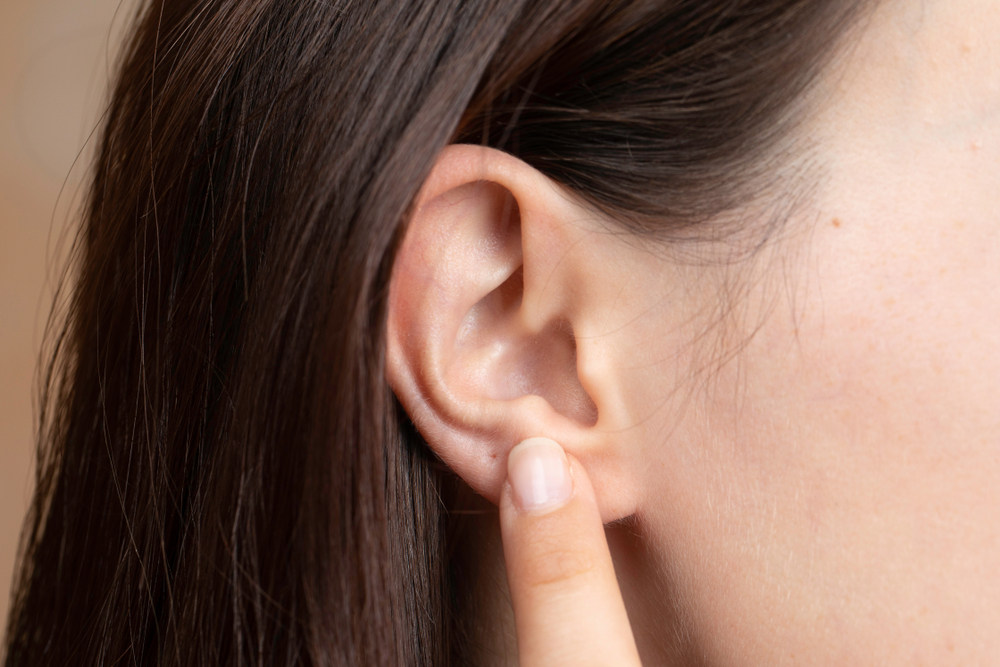
Chondrodermatitis Nodularis Helicis
In the Journal of Dermatologic Surgery, a novel treatment was proposed for Chondrodermatitis Nodularis Helicis (CDNH).
CDNH is a common chronic condition characterised by a painful nodule on the ear which may have accompanying crusting or ulceration.
CDNH is often difficult to treat or treatment only gives temporary benefit. Avoiding pressure is difficult to do when the lesion usually occurs on the favoured sleeping side. Surgical excision is often plagued by recurrence.
0.2 – 0.3 mL of Hyaluronic Acid (HA) was injected into the ear and found to provide significant relief from pain and clinical symptoms (including ulceration) in less than 1 – 2 weeks. Sometimes a second follow-up injection was required 2 weeks later if there was extrusion of HA material through a pre-existing ulcer.
No adverse events were noted other than the intentional visible bulging of the injected region. And these good results were achieved long term with one patient maintaining the benefit for 5 years!
INVERSE DERMOSCOPIC APPROACH
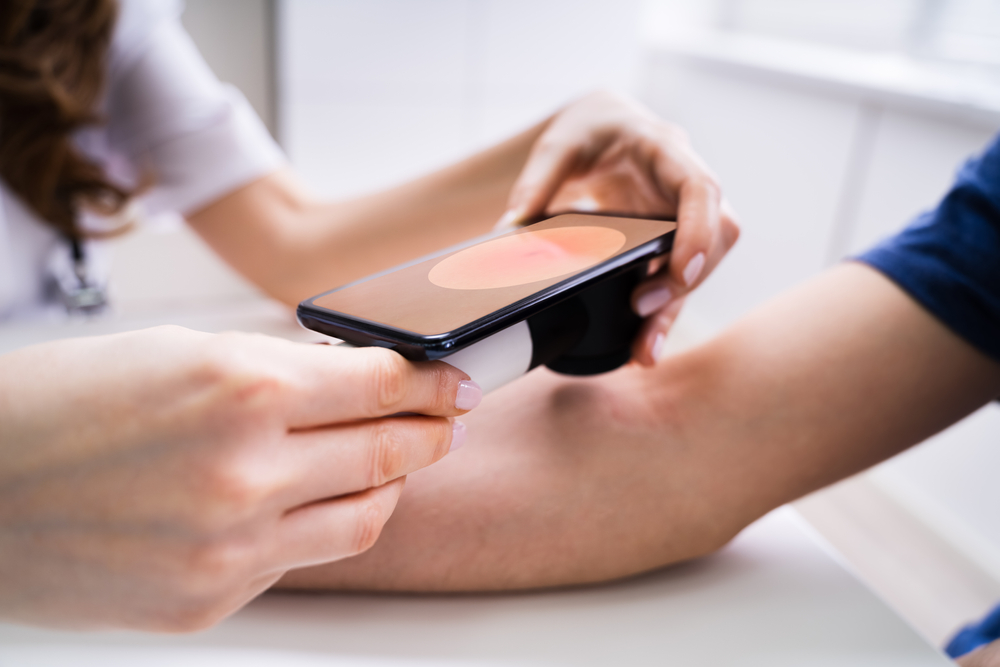
Inverse Dermoscopic Approach
In the Journal of the American Academy of Dermatology, a study showed significant increase in diagnosis of lentigo maligna (Hutchinson’s Melanotic Freckle) when traditional training for dermoscopic pattern analysis was compared with inverse approach training.
The dermoscopic features of actinic keratoses (sunspots), actinic lentigos or flat seborrhoeic keratoses (liver spots) are easy to identify. An inverse approach involves diagnosis by identifying the absence of these features.
Use of the inverse approach to dermoscopy outperformed traditional dermoscopic pattern analysis with diagnostic accuracy increasing by more than 60%!
CONFOCAL MICROSCOPY

Confocal Microscopy
Confocal microscopy (CM) is an optical imaging technique where laser light is focussed onto a defined spot at a specific depth and increased optical resolution is achieved by means of a spacial pinhole to block out-of-focus light in image formation.
CM has been used in the evaluation of skin cancer. ‘Ex vivo’ (outside the living) for faster pathology assessment with greater accuracy for Moh’s surgery. And ‘in vivo’ (within the living or patient) providing high resolution images which are optically scanned in slices without need for a surgical biopsy.
Unfortunately, as described in the British Journal of Dermatology, the availability of this procedure is limited due to the lack of reimbursement, low number of dedicated units, elevated cost and time consuming nature of the procedure in busy clinical settings.
UVP RATED CLOTHING

UVP Rated Clothing
The sun emits different types of radiation. This is mainly visible (light) and infrared (heat). Ultraviolet radiation (UVR) is also emitted but it cannot be seen or felt. It can cause sunburn and other skin damage (including skin cancers). Covering our skin with clothing or shade reduces accumulation of exposure. A fabric with an Ultraviolet Protection (UVP) factor of 20 will allow 1/20 (5%) of UVR to pass through, or in other words, block 95% of the UVR. Tightly woven and heavier weight fabrics are more effective. Darker colours usually block more UVR. UV protection is reduced if a garment is overstretched, wet, or worn out. Loose fitting clothing is usually more protective than tight fitting clothing.
A UVP rating of 40 is described as giving excellent protection and will block 97.5% of UVR. The Australian/New Zealand Standard for Sun Protective Clothing states that the highest UVP rating for garments is 50. Those with higher rating are labelled 50+.
CALCIPOTRIOL AND 5-FLUOROURACIL (5-FU)

Calcipotriol and 5 Fluorouracil (5-FU)
Cytokines are cell signalling molecules that aid cell to cell communication in immune responses and stimulate cells to move toward sites of inflammation.
Thymic stromal lymphopoeitin (TSLP) is an epithelium-derived cytokine that induces a robust anti-tumour immunity in barrier-defective skin. Calcipotriol (Daivonex), an ointment most commonly used in psoriasis, is a topical TSLP inducer.
5-FU cream (Efudix) is an anti-metabolite that blocks the growth of abnormal cells and is frequently used to treat pre-cancerous solar keratoses. But there are major disadvantages including the long treatment/healing duration (1-2 months) and the severity of the side effects - pain, irritation, burning, crusting, photosensitivity.
Efudix cream and Calcipotriol ointment used together (FU/Cal) twice daily for a 4-day treatment of solar keratoses has been shown to be more effective than using Efudix alone! The short treatment duration and minimal side-effect profile in a trial conducted at Washington University and Massachusetts General Hospital highlight the advantages of this combined therapy which resulted in a specific induction of CD4+ ’T helper cell’ immune response against solar keratoses. These are considered helper cells because they do not neutralise but trigger the body’s immune responses.
J Clin Invest. 2017 Jan 3; 127(1): 106–116.
JID Innov. 2022 May; 2(3): 100104
Halo Graft

Halo graft
A skin graft is transplantation of skin from one location to another on the same individual and has been used in patients since 1869.
A split skin graft (SSG) involves a very thin shaving of skin including epidermis and a small portion of dermis leaving behind the enough dermis for the donor site to heal by reepithelialisation. A SSG is more likely to survive in areas with less vascularity such as periosteum and peritenon and is graft of choice for the shin.
Dr Sharad Paul, a NZ doctor, described a type of SSG which can be done under local anaesthesia in only one area (instead of different donor and recipient sites), decreases healing times and donor site pain… the Halo Graft.
The central defect is where the lesion is excised, and the ‘halo’ or annulus around the circular excision margins is where the donor site shavings are harvested for the SSG. The wound is usually completely healed in 2-3 weeks. Ingenious!
SUBUNGUAL AND ACRAL LENTIGINOUS MELANOMA

Subungual and Acral Lentiginous Melanoma
Acral lentiginous melanoma (ALM) arise on the palms, soles or beneath the nail (subungual melanoma). It is a form of malignant melanoma (MM) characterised by its site of origin. In the past, subungual melanoma (SUM) have always been considered a subtype of ALM. SUM is more common on the feet than hands. Although ALM is a relatively rare type of MM (1-3%), it is the most common subtype of MM in darker skinned people. Bob Marley, black reggae musician, died of an SUM under his toenail.
The proximal nail fold is part of the acral skin which eventually becomes the nail matrix. This is why SUM is naturally considered a subtype of ALM. Melanocytes are present in the nail matrix, but in fewer numbers than in normal skin, and in even fewer numbers in Caucasians. It is thought that these melanocytes do not produce melanin and are inactive.
However, a recent study in the Melanoma Research journal, showed that SUM are perhaps indeed a separate entity to ALM. Compared to patients with ALM, SUM were younger at diagnosis, had higher prevalence of primary MM of the hand, had more frequent reports of previous trauma at the tumour site, and were deeper at diagnosis correlating with an increased frequency of metastases. Interestingly, KIT and KRAS mutations were predominantly found in SUM whereas BRAF and NRAS mutations occurred almost exclusively in ALM.
Immunotherapy
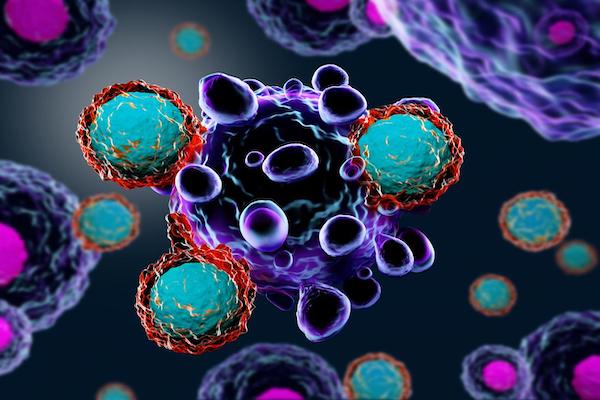
Immunotherapy
The American Journal of Public Health published a study from New York University that showed between 1986 and 2013 new malignant melanoma (MM) cases more than doubled and mortality rates increased by nearly 10%. Not great numbers.
However, from 2013-2016, overall MM mortality decreased by nearly 20% with reduction in deaths seen in every age group. This is the largest and most sustained improvement in mortality ever observed!
Enter the new targeted therapies (-nib’s) and immunotherapies (-mab’s) which became available since 2011 and is credited with the successful results treating metastatic MM.
Immune checkpoint inhibitors encourage the patient’s own immune system to attack the MM cells (eg ipilimumab, pembrolizumab, nivolumab). Targeted therapies are specifically targeted to the patient’s tumour and more specifically at BRAF and MEK proteins known to be part of the cell signalling pathway that drives growth of MM cells. Examples of BRAF inhibitors (vemurafenib, dabrafenib, encorafenib) and MEK inhibitors (trametinib, cobimetinib, binimetinib). In about half of all MM, the BRAF protein is genetically mutated so it can no longer regulate normal cell multiplication and grow out of control. MEK is an enzyme that works with BRAF to regulate cell growth.
Sunblock
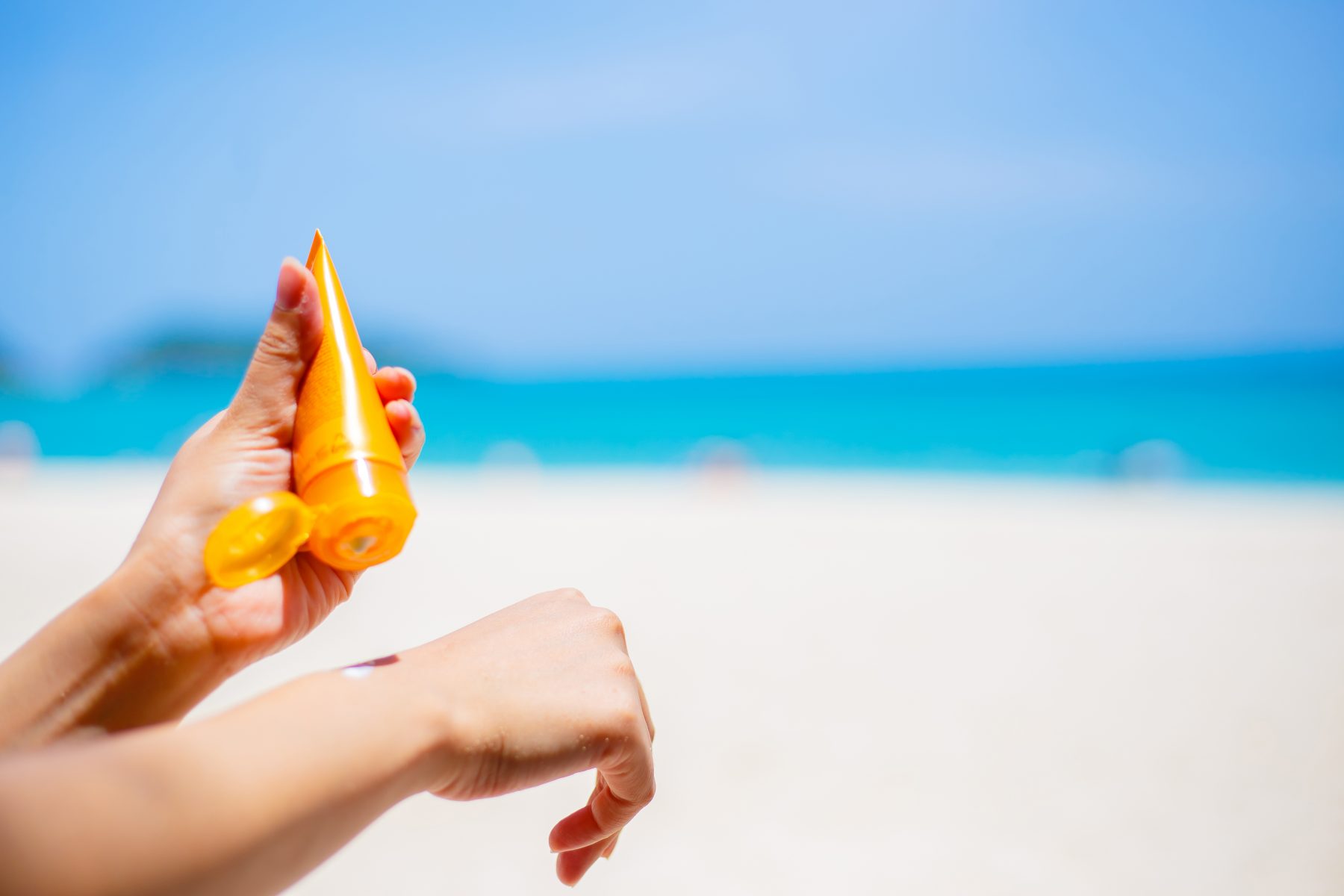
Sunblock
A recent Queensland study compared the estimated long-term impact of three different approaches to control of malignant melanoma (MM): (a) promoting daily use of sunscreen and other sun protective measures (b) annual whole-body skin examinations by doctors (c) no intervention at all.
Primary prevention through sun protection was shown to be the most effective with 44% reduction in the incidence of MM, 39% reduction in projected MM deaths, 27% fewer excisions of keratinocyte cancer (BCC and SCC), 22% reduction in societal costs.
More evidence to the importance of sun protective measures and that you continue to slip (on a shirt), slop (on sunscreen), slap (on a hat), seek (shade) and slide (on sunglasses).
Primary prevention through sun protection was shown to be the most effective with 44% reduction in the incidence of MM, 39% reduction in projected MM deaths, 27% fewer excisions of keratinocyte cancer (BCC and SCC), 22% reduction in societal costs.
More evidence to the importance of sun protective measures and that you continue to slip (on a shirt), slop (on sunscreen), slap (on a hat), seek (shade) and slide (on sunglasses).
Sunscreens block out the sun's harmful rays and are rated in strength according to an SPF (sun protection factor). We recommend that in Australian conditions you use at least SPF15+ block (which allows only 1/15th of the sun's rays through), broad spectrum (against UVA and UVB), water resistant, but water-based if you are prone to acne. It is a myth that dark-skinned people do not need sunscreen. Everyone should use sunscreen even if they do not burn easily in the sun.
Apply sunscreen 30 minutes before being in the sun so it is absorbed and less like to be perspired away. Reapply throughout the day and wear hats and protective clothing. A useful heuristic is that a handful of cream should cover your entire body. Apply thickly and thoroughly avoiding the eyes.